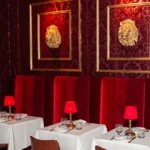
A great steak in East Village experience goes beyond simply choosing a cut from the menu. From the quality of the beef and cooking technique to the atmosphere, service, and sides, every detail plays a role in creating a memorable steakhouse dinner in New York City.
Quality beef, proper aging, high-heat cooking, thoughtful sides, a comfortable dining room, knowledgeable service, and the right atmosphere can turn a simple steak dinner into an occasion.
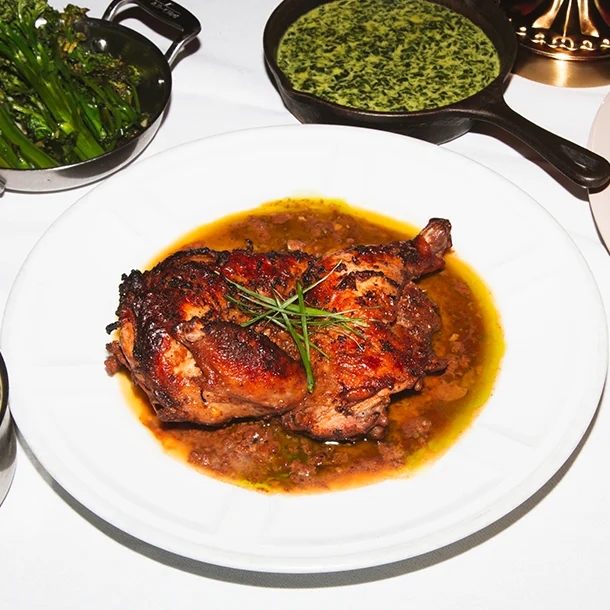
At Andrew Steak Society in Manhattan’s East Village, the approach combines traditional steakhouse fundamentals with dry-aged beef and live wood-fire cooking. Located at 51 Avenue B, the restaurant offers Filet Mignon, New York Strip, Ribeye, Porterhouse, Tomahawk and an extended menu of seafood, starters, sides and desserts.
If you are deciding where to enjoy your next steak dinner in Lower Manhattan, here is what is actually worth considering.
Why the East Village Works So Well for Steak Night
The East Village has never been a neighborhood built around only one type of dining.
Its restaurant scene moves between casual neighborhood spots, bars, late-night destinations and polished dining rooms. That variety makes it particularly appealing when you want a steakhouse experience without feeling locked into an overly traditional format.
For someone searching steak East Village, location matters because dinner is often only one part of the evening. A date, birthday, dinner with friends or weekend night out can naturally continue elsewhere in the neighborhood.
That means a steakhouse here has to deliver more than beef. It needs character.
Andrew Steak Society takes that approach from its Avenue B location, pairing familiar steakhouse cuts with dry aging and live-fire preparation.
What Actually Makes a Great Steakhouse?
Searching for the best steakhouse in NYC produces countless recommendations, but “best” is subjective.
A better approach is to evaluate a steakhouse using a few practical factors.
1. Start With the Beef
A beautiful dining room cannot compensate for an average steak.
Look for information about the cuts being served, how they are selected, whether aging is involved and how the restaurant approaches preparation.
Andrew Steak Society states that its steaks are dry-aged for at least 28 days, while its signature Tomahawk is aged for 45 days.
That gives diners useful information before they reserve instead of asking them simply to trust a marketing claim.
2. Look at the Cooking Method
The grill plays an enormous role in the final result.
Andrew Steak Society uses a live wood-fired grill. This cooking style brings high heat together with direct fire and smoke, adding another layer of character to the exterior of the beef.
For diners who like a deeply seared exterior and a more pronounced grilled character, cooking method should be part of the decision.
3. Consider the Complete Menu
Not everyone at the table wants the same thing.
A useful steakhouse menu should accommodate different appetites without losing focus.
The current Andrew Steak Society menu includes steakhouse cuts alongside Jumbo Shrimp Cocktail, Jumbo Lump Crab Cake, Steak Tartare, salads, lamb chops, Maine Lobster, Chilean Sea Bass, Free-Range Chicken and Roasted Eggplant Steak.
That flexibility is especially valuable for group dinners and celebrations.
Understanding the Main Steak Cuts
One of the easiest ways to improve your steakhouse experience is to know what you actually enjoy before ordering.
| Cut | Best suited to diners who want | Character |
| Filet Mignon | Tenderness | Leaner, softer |
| New York Strip | Balance | Firm texture and beef-forward flavor |
| Ribeye | Richness | More marbling and bold flavor |
| Porterhouse | Variety | Filet and strip in one cut |
| Tomahawk | Sharing and presentation | Large bone-in steak with strong table presence |
Andrew Steak Society currently offers all five of these cuts on its wood-fired grill menu.
Filet Mignon
Choose Filet Mignon when tenderness matters most.
Because it is naturally leaner than Ribeye, it is a good option for diners who prefer a softer texture without as much richness from fat.
New York Strip
The New York Strip sits comfortably between Filet and Ribeye.
It has enough structure to provide a satisfying bite while still offering strong beef flavor. It is a dependable choice when you want a traditional steakhouse experience without choosing either extreme.
Ribeye
If richness is your priority, Ribeye deserves attention.
Its marbling gives the cut a fuller, more indulgent character. Combined with live-fire cooking, it suits diners who prefer stronger steak flavor.
Porterhouse
The Porterhouse gives you two textures because it combines strip and tenderloin around the bone.
It is especially useful when sharing, since different diners can enjoy different parts of the same steak.
Tomahawk
The Tomahawk is built for a more dramatic dinner.
Andrew Steak Society identifies its version as a 45-day dry-aged bone-in signature cut.
It makes particular sense for celebrations, sharing, or diners who want the steak itself to become the centerpiece of the table.
Why Dry Aging Matters
“Dry-aged” often appears on steakhouse menus, but diners are not always told what it means.
During controlled dry aging, beef is held under carefully managed conditions over time. The process changes both its moisture content and texture, producing a more concentrated character than an unaged cut.
The important point for diners is simple: aging changes the eating experience.
Andrew Steak Society uses a minimum 28-day aging period across its steak program, with the Tomahawk going longer.
Rather than selecting a steak simply because it sounds premium, ask how long it has been aged and what kind of flavor profile you prefer.
Build the Rest of the Meal Around Your Steak
One reason traditional steakhouses remain popular is that the main course is only part of the ritual.
Start Light or Go Classic
For a richer steak such as Ribeye or Tomahawk, beginning with something lighter can keep the dinner balanced.
Current starter options at Andrew Steak Society include:
- Jumbo Shrimp Cocktail
- Jumbo Lump Crab Cake
- Steak Tartare
- Shrimp Scampi
- Basturma Croquettes
Choose Sides for Contrast
Good sides should complement the steak rather than compete with it.
The menu currently includes Truffle Fries, Creamed Spinach, Sautéed Broccolini, Grilled Asparagus, Mashed Potatoes and Brussels Sprouts.
A useful strategy is to order one rich side and one vegetable side when sharing.
For example:
Ribeye + Creamed Spinach + Grilled Asparagus
or
Porterhouse + Truffle Fries + Sautéed Broccolini
It gives the table variety while keeping the steak at the center.
Sauces and Steak Enhancements
Purists may prefer steak completely on its own. Others enjoy another layer of flavor.
Andrew Steak Society currently offers Beurre Rouge, Chimichurri, Café de Paris Butter, Au Poivre and Black Truffle Butter, along with enhancements including Shrimp Scampi, Roasted Bone Marrow and Butter-Poached Lobster.
The key is restraint.
A well-prepared steak should still taste like steak. Use sauces and additions to complement the cut rather than disguise it.
Steak Night for Different Occasions
A useful restaurant guide should answer another question: When should you go?
Date Night
For a date night, choose cuts that make sharing easy.
A Porterhouse or Tomahawk can naturally become the center of the meal, followed by shared sides and dessert.
Birthday or Anniversary
Celebrations usually benefit from a more complete dining experience.
Start with appetizers, select a centerpiece steak, add several shared sides and leave room for dessert. Andrew Steak Society currently lists New York Cheesecake, Chocolate Lava Cake and Crème Brûlée.
Dinner With Friends
Groups can use the menu differently.
Rather than everyone ordering identical steaks, choose several cuts and sides for the table. That lets diners compare textures and flavor profiles.
Business Dinner
For business dining, the best choice may be a straightforward individual cut such as Filet Mignon or New York Strip, paired with a simple side.
The goal is still excellent food, but without making the ordering process the main event.
Benefits of Choosing a Modern East Village Steakhouse
A modern steakhouse experience can offer several advantages over an overly rigid traditional format:
- More cooking personality: wood-fire preparation adds character.
- Different cuts for different preferences: guests are not limited to one signature steak.
- Better group flexibility: seafood, poultry, vegetables and salads accommodate mixed groups.
- Occasion versatility: date nights, birthdays, dinners with friends and business meals can work in the same setting.
- Neighborhood convenience: an East Village location makes it easier to build dinner into a broader Manhattan evening.
- A balance of tradition and contemporary dining: classic steaks can coexist with modern preparation and atmosphere.
Frequently Asked Questions
1. What are the best steakhouses in the East Village NYC for dinner?
The East Village has several strong options for a steak dinner, ranging from modern steakhouses to classic New York dining spots. A good choice should offer quality cuts, consistent cooking, a comfortable atmosphere, and a menu that works well for both casual dinners and special occasions. Andrew Steak Society is one option in the neighborhood, known for dry-aged steaks, live-fire cooking, and a selection of classic cuts such as Ribeye, Filet Mignon, Porterhouse, and Tomahawk.
2. What is the best dry-aged steak to order at Andrew Steak Society?
It depends on the experience you prefer. Ribeye is a strong choice for richness and marbling, while Porterhouse works well for sharing. For diners specifically interested in a longer-aged cut, the 45-day dry-aged Tomahawk is one of the restaurant’s signature options.
3. How are the steaks cooked?
Andrew Steak Society prepares its steaks over a live wood-fired grill.
4. Which steak is best for someone who prefers tenderness?
Filet Mignon is generally the strongest choice for diners who prioritize tenderness over heavy marbling.
5. Which steak should I choose for richer flavor?
Ribeye is typically a strong option for diners who enjoy marbling, richness and a fuller beef flavor.
Conclusion: Finding the Right Steak in the East Village
Finding memorable steak in East Village should not come down to whichever restaurant uses the word “best” most often.
A strong steakhouse earns attention through the details: quality cuts, deliberate aging, confident preparation, well-chosen sides, knowledgeable hospitality and an atmosphere that makes you want to stay beyond the main course.
Andrew Steak Society brings those elements together through dry-aged cuts and live wood-fire cooking at its Avenue B location.
For diners comparing options for the best steakhouse in NYC, the smarter question is not simply, “Which restaurant ranks first?”
You might also like
-
Best Restaurants in the East Village for a Memorable Night Out
-
Upscale Restaurants in the East Village NYC: A Guide to Dining Well Downtown
-
Tomahawk Steak NYC: What to Know Before Ordering This Iconic Cut

-
Best Date Night Restaurants NYC: What Makes a Dinner Worth the Date?