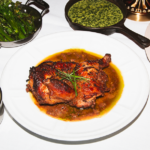
From century-old dining rooms to modern restaurants built around live-fire cooking, the city has developed one of the world’s most recognizable steakhouse cultures. But today’s diners expect more than a premium cut of beef. They want atmosphere, thoughtful service, distinctive preparation, quality drinks, and an experience that feels worthy of the occasion.
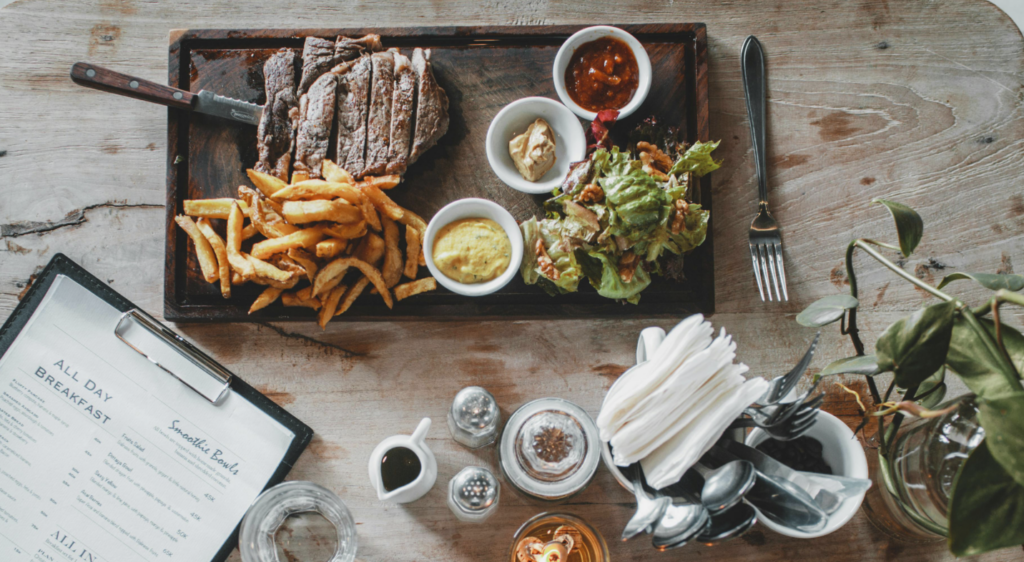
For anyone searching for a fine dining steakhouse NYC experience with a contemporary East Village character, Andrew Steak Society brings together dry-aged beef, live wood-fire cooking, classic steakhouse favorites, cocktails, and refined hospitality.
Located at 51 Avenue B in Manhattan’s East Village, Andrew Steak Society specializes in steaks aged for a minimum of 28 days, with its signature Tomahawk aged for 45 days, before the cuts are finished over a live wood-fired grill.
Whether you’re planning a date night, business dinner, celebration, or simply want a memorable steak in Manhattan, understanding what separates a great steakhouse from an ordinary one can help you choose better.
What Defines a Fine Dining Steakhouse in NYC?
A steakhouse can serve an expensive steak without necessarily delivering a fine dining experience.
True fine dining is created through the combination of ingredient quality, preparation, timing, hospitality, atmosphere, and attention to detail.
At a premium steakhouse, diners should expect:
- Carefully selected cuts of beef
- Proper aging and handling
- Precise temperature control
- Knowledgeable servers
- Well-paired wines and cocktails
- Quality appetizers and sides
- Comfortable, refined surroundings
- Service that matches the occasion
New York’s steakhouse market is especially competitive. Current dining guides continue to highlight both historic restaurants such as Keens and Old Homestead and newer concepts such as Hawksmoor and Cote, showing that diners now have a mix of traditional and contemporary steakhouse experiences to choose from.
NYC Steakhouse Competitor Landscape
New York’s leading steakhouses tend to differentiate themselves through history, beef sourcing, aging, cooking technique, or atmosphere.
| Steakhouse | Distinctive Positioning |
| Keens Steakhouse | Historic NYC institution known for traditional steakhouse atmosphere and its famous mutton chop |
| Gallaghers Steakhouse | USDA Prime dry-aged steaks, seafood, wine, and classic Midtown steakhouse tradition |
| Hawksmoor NYC | Dry-aged beef, farm provenance, live-fire charcoal cooking, and British-influenced dining |
| Peter Luger | Long-established New York steakhouse recognized for USDA Prime beef |
| Andrew Steak Society | Minimum 28-day dry-aged steaks, 45-day Tomahawk, live wood-fire cooking, and contemporary East Village atmosphere |
Keens continues to be viewed as an enduring NYC institution, while Gallaghers emphasizes USDA Prime dry-aged steak and Hawksmoor focuses heavily on beef provenance and live-fire preparation.
Andrew Steak Society enters this competitive landscape with a more modern downtown identity built around dry aging and wood-fired cooking rather than simply recreating an old-school steakhouse formula.
Why Dry-Aged Steak Makes a Difference
Deeper, More Concentrated Flavor
Dry aging allows beef to rest under carefully controlled conditions. During this process, moisture is gradually reduced and natural enzymatic activity changes the texture and flavor of the meat.
The result can be a richer, more concentrated steak experience than standard fresh beef.
At Andrew Steak Society, steaks are dry-aged for at least 28 days, while the signature Tomahawk reaches 45 days.
Texture Matters Too
Aging is not only about creating stronger flavor.
Proper dry aging can also contribute to tenderness, giving the finished steak a distinctive combination of crust, interior texture, and depth.
That’s why serious steak restaurants treat aging as part of the preparation rather than a marketing label.
The Role of Live Wood-Fire Cooking
Cooking technique can transform even a high-quality cut.
Andrew Steak Society uses a live wood-fired grill, which creates intense direct heat while adding a subtle smoky character to the steak.
When properly managed, live-fire cooking helps create:
- A deeply caramelized exterior
- Strong contrast between crust and center
- Natural smoky aromas
- Bold roasted flavors
- A more distinctive finish than conventional grilling
Hawksmoor similarly emphasizes live-fire charcoal cooking, demonstrating how modern steakhouse concepts increasingly use fire itself as an important part of their identity.
What to Order at a Fine Dining Steakhouse
Ribeye
Ribeye is ideal for diners who enjoy rich flavor and generous marbling.
Andrew Steak Society’s dry-aged Ribeye is finished over an open wood flame, making it one of the strongest choices for experiencing both the aging process and wood-fired preparation.
Filet Mignon
Filet Mignon offers a softer, leaner eating experience.
It’s a strong choice for diners who prioritize tenderness over intense marbling.
Porterhouse
The Porterhouse combines filet and strip on the same bone, making it particularly suitable for sharing.
It’s also one of the cuts most closely associated with the traditional New York steakhouse experience.
Tomahawk
For a special occasion or shared dinner, the Tomahawk brings more drama to the table.
Andrew Steak Society’s version is dry-aged for 45 days, making it the restaurant’s signature showpiece.
More Than Steak: Building the Complete Dining Experience
A great steak alone doesn’t make a great steakhouse.
The menu around it matters.
Andrew Steak Society complements its steaks with dishes including Steak Tartare, Jumbo Lump Crab Cake, Truffle Fries, Creamed Spinach, Grilled Asparagus, desserts such as Crème Brûlée and Chocolate Lava Cake, plus sauces, steak enhancements, cocktails, and wine.
This variety matters when dining with a group because not every guest wants the same cut or the same type of meal.
It also allows diners to build a complete progression:
Starter → Steak → Side → Wine or Cocktail → Dessert
That progression is part of what separates a quick steak dinner from a genuine fine dining experience.
Why Choose a Fine Dining Steakhouse for Special Occasions?
Steakhouses naturally suit occasions where the meal is intended to feel significant.
Date Nights
Low lighting, attentive service, cocktails, wine, and shareable dishes create a setting where dinner becomes the main event rather than something rushed before another activity.
Anniversaries and Birthdays
Premium cuts such as Porterhouse and Tomahawk make celebratory meals easier to share and remember.
Corporate Dinners
A sophisticated steakhouse provides a professional setting while still feeling more relaxed than a conference room.
Andrew Steak Society specifically accommodates occasions including birthdays, graduations, anniversaries, corporate events, rehearsal dinners, and other celebrations.
How to Plan the Perfect Steakhouse Dinner
Step 1: Reserve in Advance
Quality NYC restaurants can become busy during evenings and weekends.
For an important dinner, booking ahead is safer than depending on walk-in availability.
Step 2: Decide Whether You’re Sharing
If two or more diners want steak, consider whether a Porterhouse or Tomahawk makes more sense than separate cuts.
Step 3: Choose Your Preferred Steak Style
Think about what matters most:
- Tenderness: Filet Mignon
- Rich marbling: Ribeye
- Classic sharing: Porterhouse
- Presentation: Tomahawk
Step 4: Build the Meal Around the Steak
Choose only enough appetizers and sides to complement the main course rather than overwhelm it.
Step 5: Ask for Pairing Guidance
A knowledgeable server can recommend cocktails, wines, sauces, and sides based on the steak you choose.
Latest NYC Dining and Steakhouse Trends
New York remains one of the world’s largest dining and tourism markets.
NYC Tourism + Conventions reported that direct visitor spending exceeded $55 billion in 2025, contributing nearly $85 billion in total economic impact across industries including restaurants, hotels, retail, and cultural institutions.
Steakhouses are also showing continued strength within the broader U.S. restaurant market. Reporting in 2026 noted that the steakhouse category had experienced more than 5% annual growth, outperforming several other full-service restaurant categories.
At the same time, the category is evolving.
Today’s diners increasingly encounter restaurants combining traditional steakhouse cuts with:
- Live-fire cooking
- Visible sourcing and provenance
- Modern cocktails
- More stylish interiors
- Private dining
- Seafood and non-steak options
- Less formal but still attentive service
The successful modern steakhouse is not replacing tradition. It is refining it.
Expert Tips for Choosing a Fine Dining Steakhouse NYC Diners Will Enjoy
Check how the beef is prepared. Dry aging, sourcing, and cooking technique reveal more than a long list of steak cuts.
Consider the atmosphere. A business dinner, romantic evening, and large birthday celebration require different environments.
Look beyond the steak menu. Strong sides, seafood, cocktails, and desserts matter when you’re dining with a group.
Choose location strategically. An East Village restaurant may provide a more neighborhood-driven evening than a traditional Midtown steakhouse.
Don’t automatically order the most expensive steak. Choose according to texture, marbling, serving size, and your own preferences.
Frequently Asked Questions
1. What is a fine dining steakhouse?
A fine dining steakhouse combines premium beef with skilled preparation, polished service, an elevated atmosphere, quality drinks, and thoughtfully prepared starters, sides, and desserts.
2. Where is Andrew Steak Society located?
Andrew Steak Society is located at 51 Avenue B, Manhattan, New York 10009, in the East Village.
3. Does Andrew Steak Society serve dry-aged steak?
Yes. Its steaks are dry-aged for a minimum of 28 days, while the signature Tomahawk is aged for 45 days.
4. How are the steaks cooked?
Andrew Steak Society cooks its steaks over a live wood-fired grill, creating a caramelized exterior and distinctive smoky character.
5. What steak should I order on my first visit?
The dry-aged Ribeye is an excellent choice for guests who enjoy rich marbling and bold flavor. Filet Mignon is better for diners who prioritize tenderness.
Experience a Modern New York Steakhouse in the East Village
New York steakhouse culture has always been built around exceptional beef, generous hospitality, and meals that feel like an occasion.
What has changed is how those traditions are expressed.
Today’s diners can still enjoy the Porterhouse, Ribeye, Filet Mignon, cocktails, wine, and classic sides they expect—but increasingly alongside longer dry-aging programs, live-fire cooking, more contemporary interiors, and a less predictable dining experience.
For diners searching for a fine dining steakhouse NYC destination with its own East Village personality, Andrew Steak Society combines premium dry-aged cuts with live wood-fire preparation and a menu built for everything from intimate dinners to major celebrations.
You might also like
-
Best Tomahawk in NYC: A Guide to Upscale Steakhouse Dining
-
From Happy Hour to Anniversary Dinner: An East Village Date-Night Guide
-
From East Village Happy Hour to an Anniversary Dinner at Andrew Steak Society
-
Steak East Village: A Guide to a Modern NYC Steakhouse Experience