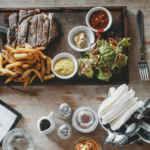
Some dinners are built around a dish. A Tomahawk steak is one of them.
With its long rib bone, generous size, marbling, and dramatic presentation, the cut naturally becomes the center of the table. But presentation alone does not make a great Tomahawk. Aging, grill technique, temperature control, resting, sides, service, and atmosphere all shape the final experience.
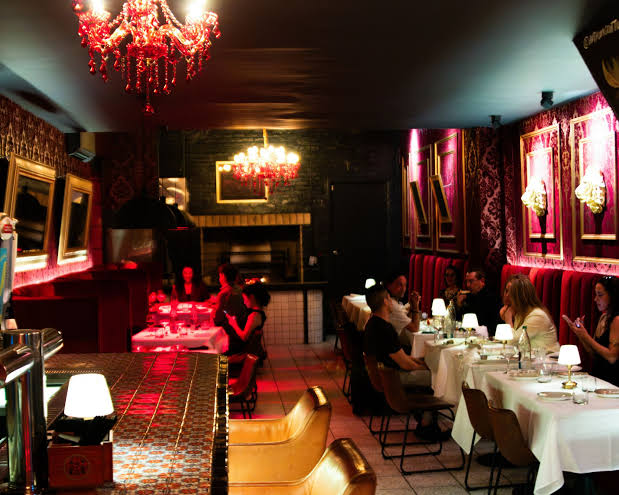
At Andrew Steak Society in Manhattan’s East Village, the signature Tomahawk is dry-aged for 45 days and finished over a live wood-fired grill. That gives diners a clear reason to consider the restaurant when comparing the best Tomahawk experiences in New York and looking for upscale dining NYC visitors and locals can enjoy without an overly formal atmosphere.
Why the Tomahawk Has Become a Steakhouse Showpiece
A Tomahawk is essentially a bone-in ribeye with an extended rib bone left attached. Its shape is instantly recognizable, but the real appeal comes from the ribeye itself.
Ribeye is naturally known for marbling. As the steak cooks, intramuscular fat renders and contributes richness and tenderness. Because Tomahawk steaks are usually cut thick, the kitchen also has more room to build a deeply seared exterior while controlling the temperature through the center.
The long bone adds visual drama, which is why the cut is frequently chosen for birthdays, anniversaries, date nights, and celebrations.
Still, a large steak is not automatically a better steak. Beef quality and kitchen technique determine whether the experience lives up to the presentation.
What Should You Look for in the Best Tomahawk?
Rather than choosing only by ounces or price, consider the complete preparation.
1. A Clear Aging Program
Dry aging is one of the biggest differentiators among premium steakhouses.
During dry aging, beef is held in a carefully controlled environment. Moisture loss concentrates flavor while natural enzymatic activity gradually changes texture.
Andrew Steak Society states that its steaks are aged for at least 28 days, while its signature Tomahawk receives 45 days of dry aging.
For diners, that is useful information because it explains something meaningful about the steak before it reaches the grill.
2. A Cooking Method That Adds Character
A Tomahawk needs intense heat to create an exterior crust without overcooking the center.
Andrew Steak Society uses a live wood-fired grill. Wood fire can contribute both direct heat and a subtle smoky quality, creating a different profile from steak prepared only on a conventional grill or broiler.
The goal should be to complement the beef, not cover it with smoke.
3. Proper Doneness and Resting
Because the Tomahawk is thick, temperature management matters.
Medium-rare is a popular choice for ribeye-style cuts because it gives marbling enough heat to begin rendering while preserving tenderness. Diners who prefer another doneness should order according to personal taste.
Resting after cooking also matters because it allows the temperature to stabilize before the steak is sliced.
Tomahawk vs. Other Steakhouse Cuts
A Tomahawk may be impressive, but it is not automatically right for everyone.
| Cut | Best For | Character | Sharing |
| Tomahawk | Celebrations | Rich and marbled | Excellent |
| Ribeye | Rich flavor | Juicy and full-bodied | Good |
| Filet Mignon | Tenderness | Soft and leaner | Usually individual |
| New York Strip | Balance | Firm, beef-forward bite | Good |
| Porterhouse | Variety | Tenderloin and strip | Excellent |
If tenderness matters most, Filet Mignon may fit better. Porterhouse works well when two diners want different textures.
If you want richness plus a centerpiece presentation, the Tomahawk stands out.
Andrew Steak Society currently offers Tomahawk, Porterhouse, Ribeye, Filet Mignon, and New York Strip within its steak menu, giving diners several options depending on how they prefer their steak.
Why 45-Day Dry Aging Changes the Experience
Not every dry-aged steak tastes the same.
The aging environment, duration, starting beef quality, trimming, and cooking method influence the result. Longer aging generally allows moisture loss and flavor development to become more noticeable, although personal preference still matters.
Andrew Steak Society’s 45-day period gives its Tomahawk a longer aging window than the restaurant’s stated 28-day minimum for other steaks.
That does not mean longer is universally better.
Some diners prefer a cleaner beef flavor, while others specifically seek the deeper character associated with longer dry aging.
A good steakhouse should therefore be able to explain its aging program rather than simply putting “dry-aged” on the menu.
How to Build an Upscale Dining Experience Around the Steak
Upscale dining in NYC is not defined only by white tablecloths, dress codes, or high prices.
For most diners, the experience comes from how the evening fits together: greeting, drinks, menu guidance, pacing, food quality, presentation, and service.
A Tomahawk already creates a natural centerpiece, so the rest of the meal should support it.
Start With Something Lighter
Andrew Steak Society’s current menu includes:
- Jumbo Shrimp Cocktail
- Jumbo Lump Crab Cake
- Steak Tartare
- Shrimp Scampi
- Basturma Croquettes
For two diners sharing a large steak, one appetizer is often enough.
The purpose of the first course should be to start the evening rather than fill the table before the main event arrives.
Choose Sides With Contrast
Current sides include Truffle Fries, Creamed Spinach, Sautéed Broccolini, Grilled Asparagus, Mashed Potatoes, and Brussels Sprouts.
Instead of ordering several rich sides, combine one comforting option with something greener.
Creamed spinach plus grilled asparagus, for example, gives the table contrast without competing with the steak.
Add Sauce Carefully
A well-prepared dry-aged Tomahawk should not need to be hidden under sauce.
Andrew Steak Society lists accompaniments including Chimichurri, Café de Paris Butter, Au Poivre, Beurre Rouge, and Black Truffle Butter.
Use them as accents and allow the dry-aged beef and wood-fire character to remain the focus.
How Does the NYC Tomahawk Scene Compare?
New York diners have several premium Tomahawk options, and those differences reveal what is actually worth comparing.
Quality Meats currently offers dry-aged prime Tomahawk options, including a larger double Tomahawk. Cuerno serves a large Tomahawk prepared in a Josper grill alongside a Mexican-influenced steak menu. Empire Steak House includes Tomahawk among its USDA Prime dry-aged steak selection in a more traditional steakhouse environment.
Each restaurant builds the experience differently.
Andrew Steak Society’s distinction is its East Village setting, 45-day dry-aged signature Tomahawk, and live wood-fire preparation.
Those details are more useful to a diner than generic claims about being “premium” or “the best.”
When Is a Tomahawk Worth Ordering?
A Special Occasion
Its presentation makes it a natural choice for birthdays, anniversaries, engagement dinners, and milestone celebrations.
The steak creates an immediate centerpiece without requiring the rest of the dinner to feel overly formal.
A Dinner for Two
Because the cut is large, sharing often makes sense.
Add a starter, two contrasting sides, and dessert, and the steak can become the foundation of the whole meal rather than simply another individual entrée.
When You Want to Explore Dry-Aged Flavor
If you are curious about how aging changes beef, a 45-day dry-aged steak gives you a specific experience to compare with conventional or shorter-aged cuts.
That can make the dinner particularly interesting for guests who already enjoy Ribeye but want to explore something with a more developed dry-aged character.
Benefits of Choosing a Tomahawk for an Upscale Dinner
Choosing a Tomahawk for a special dinner offers several practical advantages:
- It creates a centerpiece with strong visual impact.
- It is naturally shareable for couples and small groups.
- Ribeye marbling brings richness and a full beef flavor.
- Dry aging adds another dimension to flavor and texture.
- Live-fire cooking adds character through crust and subtle smoke.
- It suits special occasions without requiring an overly formal setting.
This combination is one reason Tomahawk has become closely associated with modern upscale steakhouse dining.
Frequently Asked Questions
1. What makes a Tomahawk steak different from a ribeye?
A Tomahawk is a bone-in ribeye with a long section of rib bone left attached. It offers the richness and marbling associated with Ribeye but has a much more dramatic presentation.
2. Where can I order a dry-aged Tomahawk in NYC?
Andrew Steak Society in Manhattan’s East Village serves a signature Tomahawk that the restaurant states is dry-aged for 45 days and cooked over a live wood-fired grill.
3. How long is the Tomahawk dry-aged at Andrew Steak Society?
The signature Tomahawk is dry-aged for 45 days, compared with the restaurant’s stated minimum aging period of 28 days across its steak program.
4. Is Tomahawk steak good for two people?
Yes. Because Tomahawk steaks are typically large, they can work particularly well as a shared centerpiece. The right amount depends on the steak’s actual size and how many starters and sides you order.
5. What doneness is best for Tomahawk steak?
Medium-rare is popular because it balances a warm center with enough heat to begin rendering the Ribeye’s marbling. The best doneness, however, is ultimately the one you enjoy.
6. What should I pair with a Tomahawk steak?
Try one rich side and one vegetable-based side. Creamed spinach with grilled asparagus, or mashed potatoes with broccolini, can create a more balanced meal.
Conclusion: Choosing a Tomahawk Experience in NYC
The best Tomahawk is not simply the steak with the longest bone or the largest number on the menu.
A memorable version brings several elements together: well-marbled beef, deliberate aging, controlled cooking, a strong exterior crust, thoughtful sides, and service that lets the meal unfold at the right pace.
That is also what separates a large steak from a complete upscale dining NYC experience.
At Andrew Steak Society, the signature approach is clear: a 45-day dry-aged Tomahawk cooked over live wood fire in the East Village. For diners who enjoy Ribeye richness, dry-aged character, and a steak built for sharing, it offers a compelling way to make the main course the centerpiece of the evening.
You might also like
-
From Happy Hour to Anniversary Dinner: An East Village Date-Night Guide
-
From East Village Happy Hour to an Anniversary Dinner at Andrew Steak Society
-
Steak East Village: A Guide to a Modern NYC Steakhouse Experience
-
Fine Dining Steakhouse NYC: Where New York Tradition Meets Modern Steakhouse Dining