
New York City has thousands of restaurants, but finding the right one for a special night takes more than a good-looking menu. Upscale dining NYC brings together quality ingredients, skilled preparation, attentive service, and an atmosphere that fits the occasion.
Whether you’re planning a date night, celebrating a milestone, hosting a business dinner, or catching up with friends, this guide shows you how to compare restaurants in Manhattan and choose one that matches your expectations and budget.
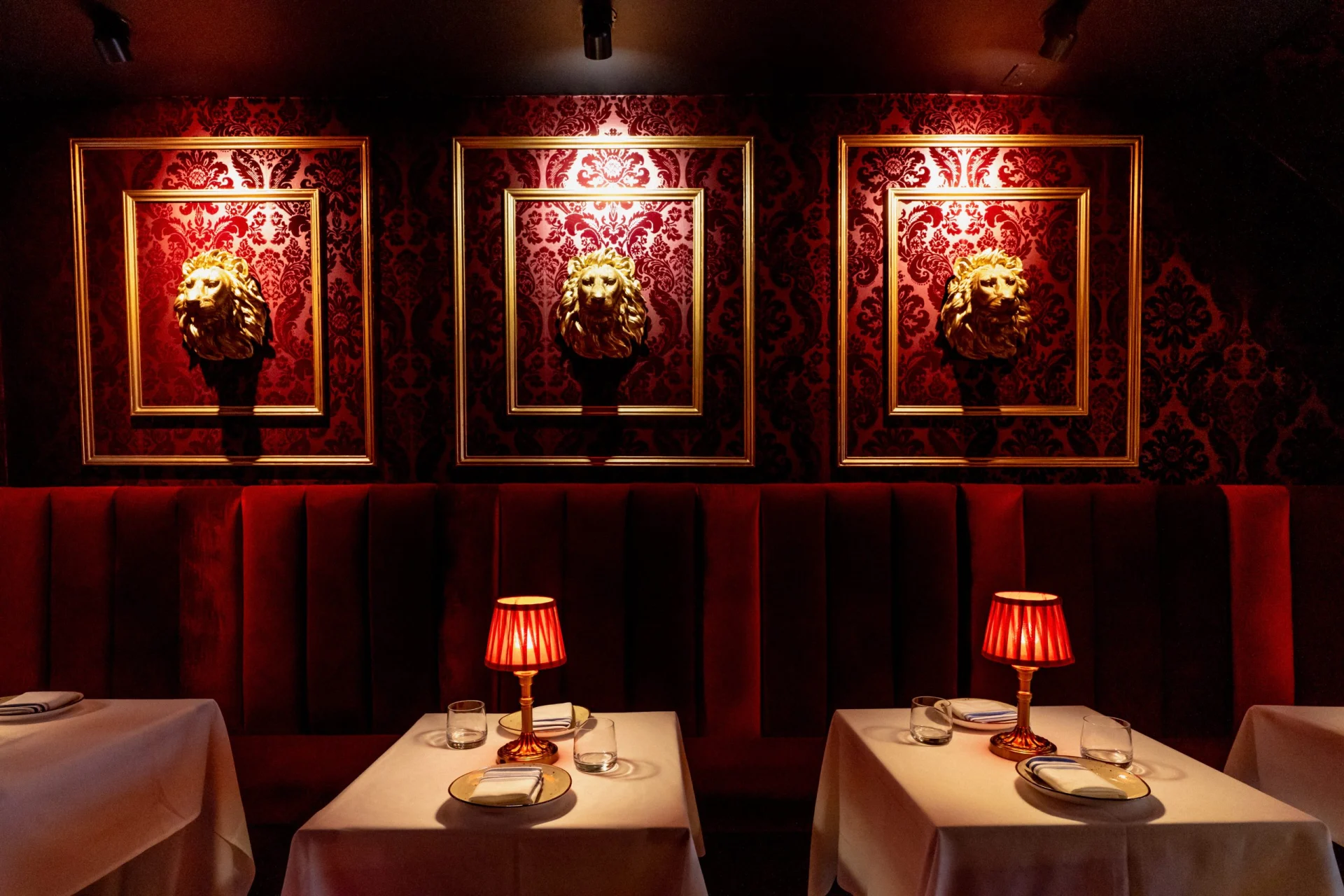
What Makes Upscale Dining NYC Different?
Upscale dining isn’t just about high prices or luxurious interiors. It’s about the full experience — ingredients, technique, service, and setting working together.
Some Manhattan restaurants focus on tasting menus and composed courses. Others specialize in premium steaks, seafood, or modern takes on familiar dishes. Knowing what you want makes the choice much easier.
Quality Ingredients and Thoughtful Preparation
Food quality is the clearest sign of a restaurant’s standards. When reviewing a menu, check:
- Whether signature dishes reflect a clear culinary focus
- How ingredients and cooking methods are described
- Whether there’s enough variety for your group
- Whether the cooking method suits the ingredients
A steakhouse built around dry-aged beef offers a very different experience from a restaurant centered on seasonal seafood or vegetables.
Atmosphere and Comfort
Lighting, seating, music, and table spacing all shape the evening. Some guests enjoy a lively room; others want a quieter space for conversation. Choose based on the purpose of your visit, not photos alone.
1. Match the Restaurant to Your Occasion
Start with why you’re going out.
- Date nights: Look for warm lighting, comfortable seating, and a pace that allows conversation.
- Business dinners: Prioritize manageable noise levels, reliable service, and advance menu review.
- Birthdays and celebrations: Check group seating, menu flexibility, and whether the restaurant handles special requests.
Call ahead if you need a larger table, dietary accommodations, or specific seating.
2. Explore the Menu Before You Book
A menu tells you a restaurant’s culinary direction. Focus on how well the dishes reflect its specialty rather than how many options it lists.
Know Your Steak Cuts
| Steak Cut | Characteristics | Best For |
| Ribeye | Rich marbling, bold flavor | Flavor-focused diners |
| Filet Mignon | Very tender, mild flavor | Diners who prefer tenderness |
| Porterhouse | Strip and tenderloin in one cut | Sharing or contrasting textures |
| Tomahawk | Thick, bone-in ribeye | Special occasions and sharing |
Consider the Cooking Technique
Wood-fired grilling adds smoky depth and a distinct sear. Dry-aging reduces moisture and allows natural enzymes to work, concentrating flavor and improving texture. These details matter most when comparing Manhattan steakhouses.
3. Evaluate the Dining Atmosphere
An upscale restaurant doesn’t need white tablecloths. Comfortable seating, the right lighting, and a well-organized dining room often matter more.
Photos give a first impression, but recent reviews tell you more about noise, seating comfort, and service pace.
| Dining Style | Typical Experience | Best For |
| Traditional steakhouse | Classic cuts, established traditions | Business meals, celebrations |
| Modern steakhouse | Contemporary interiors, creative menus | Date nights, social dining |
| Fine dining restaurant | Structured service, composed courses | Formal occasions |
| Upscale neighborhood spot | Relaxed setting, refined food | Casual celebrations |
4. Compare Service and Hospitality
Service is a defining part of upscale dining NYC, especially for first visits and special occasions. Good hospitality feels attentive without interrupting the meal.
Look for:
- Clear reservation and seating information
- Staff who can explain the menu confidently
- Support with dietary requirements
- Well-timed courses
- Helpful suggestions without pressure
A great dinner should feel relaxed, never rushed. For important occasions, ask about seating times before confirming.
5. Consider Happy Hour Before Dinner
You don’t always have to start with a full dinner reservation. If you’re searching for the best happy hour Manhattan has to offer, a restaurant with a comfortable bar, well-made cocktails, and quality bites is a great way to try a place before committing to a full meal.
When comparing happy hour options, check:
- Drink quality and variety
- Whether food is included
- Bar and table seating availability
- The early-evening atmosphere
- Current published prices and timings
Happy Hour in the East Village
The East Village mixes neighborhood character with a lively restaurant and bar scene. Andrew Steak Society offers a steak-focused experience with dry-aged cuts, wood-fired cooking, and a curated cocktail and wine list — an easy choice for drinks that turn into dinner.
Related reading: Happy Hour in East Village NYC
6. Understand Pricing and Value
The most expensive restaurant isn’t automatically the right one. Value comes from food quality, portions, service, and how well the experience matches your expectations.
Steakhouses often price certain cuts by weight, and sides, sauces, desserts, and drinks are usually separate. When budgeting, include:
- Appetizers and mains
- Sides and desserts
- Drinks and cocktails
- Tax and gratuity
- Any deposits or cancellation terms
Dining tip: Restaurants with clear menu descriptions and pricing make it easier to plan without surprises.
7. Choose the Right Manhattan Neighborhood
- Midtown: Convenient for business dinners, theater nights, and visitors.
- East Village: Relaxed neighborhood energy with a strong food and bar scene — great for couples and friends.
- Flatiron and Gramercy: Established steakhouses and contemporary dining for special occasions.
- Financial District: Modern restaurants and destination venues with striking surroundings.
Pick based on travel convenience, the occasion, and the kind of evening you want.
8. Read Reviews the Right Way
Star ratings only tell part of the story. Look for recurring comments on:
- Food quality and consistency
- Staff knowledge and hospitality
- Reservation handling
- Noise and atmosphere
- Value for money
Recent reviews matter most. Compare them with the restaurant’s official menu, website, and photos for a complete picture.
9. A Steakhouse Experience in the East Village
For diners who love steak, Andrew Steak Society at 51 Avenue B brings dry-aged beef and live wood-fired grilling to the East Village. The menu includes Tomahawk, porterhouse, ribeye, and filet mignon, with beef aged for at least 28 days and a 45-day dry-aged Tomahawk among its signature cuts.
What sets the experience apart:
- Dry-aged steaks with deeper, concentrated flavor
- Wood-fired grilling for a smoky, well-seared finish
- A range of cuts for different texture and flavor preferences
- Cocktails and wine selected to complement steak
- An East Village setting suited to dates, dinners, and celebrations
Check current hours and make a reservation before visiting.
Why Choosing Carefully Pays Off
- A better evening: When food, service, and atmosphere match your preferences, everything feels easier.
- Smoother planning: Checking seating and menus in advance removes last-minute stress.
- More confidence: You choose based on real details, not marketing claims.
- New experiences: Manhattan lets you explore classic steakhouses, modern kitchens, and global flavors.
Frequently Asked Questions
1. What is considered upscale dining in New York?
Restaurants that emphasize ingredient quality, skilled preparation, attentive service, and a thoughtfully designed atmosphere — including fine dining rooms, contemporary restaurants, and premium steakhouses.
2. How do I choose an upscale restaurant in Manhattan?
Start with your occasion, cuisine preference, budget, and location. Then compare menus, recent reviews, seating, and reservation policies.
3. Is upscale dining always expensive?
Not always. Many venues offer à la carte menus or bar menus that help you manage spending.
4. What should I wear?
Smart casual works at most modern restaurants. Some formal venues have dress codes, so check the website first.
5. Where can I find the best happy hour Manhattan offers?
Neighborhoods like the East Village, Midtown, and Flatiron all have strong options. Compare drinks, food, atmosphere, and published timings.
6. What makes a steakhouse upscale?
Carefully sourced beef, skilled cooking, knowledgeable service, comfortable seating, and a well-run dining room.
7. Is dry-aged steak better than regular steak?
It’s different. Dry-aging creates concentrated, nutty flavors and a tender texture. Some diners prefer it; others enjoy the milder taste of fresh beef.
8. Do I need a reservation?
Yes, especially on weekends, holidays, and special occasions. Booking ahead also lets you share seating or dietary requests.
9. Are upscale restaurants good for date nights?
Absolutely. Look for intimate seating, warm lighting, and well-paced service that suits the mood you want.
10. What should I check before visiting an East Village steakhouse?
Review the current menu, hours, reservation availability, and any happy hour specials. Call ahead for dietary needs or special occasions.
Conclusion: Make Your Next Manhattan Dinner Count
The right choice for upscale dining NYC comes down to more than price or photos. It’s about food quality, hospitality, atmosphere, and a setting that fits your occasion.
Whether you prefer a classic steakhouse, a contemporary dining room, or cocktails that turn into dinner, knowing your priorities makes the decision easy. If dry-aged steaks and wood-fired flavor are what you’re after, explore the menu and book your table at Andrew Steak Society — your next memorable evening of upscale dining NYC starts in the East Village.