
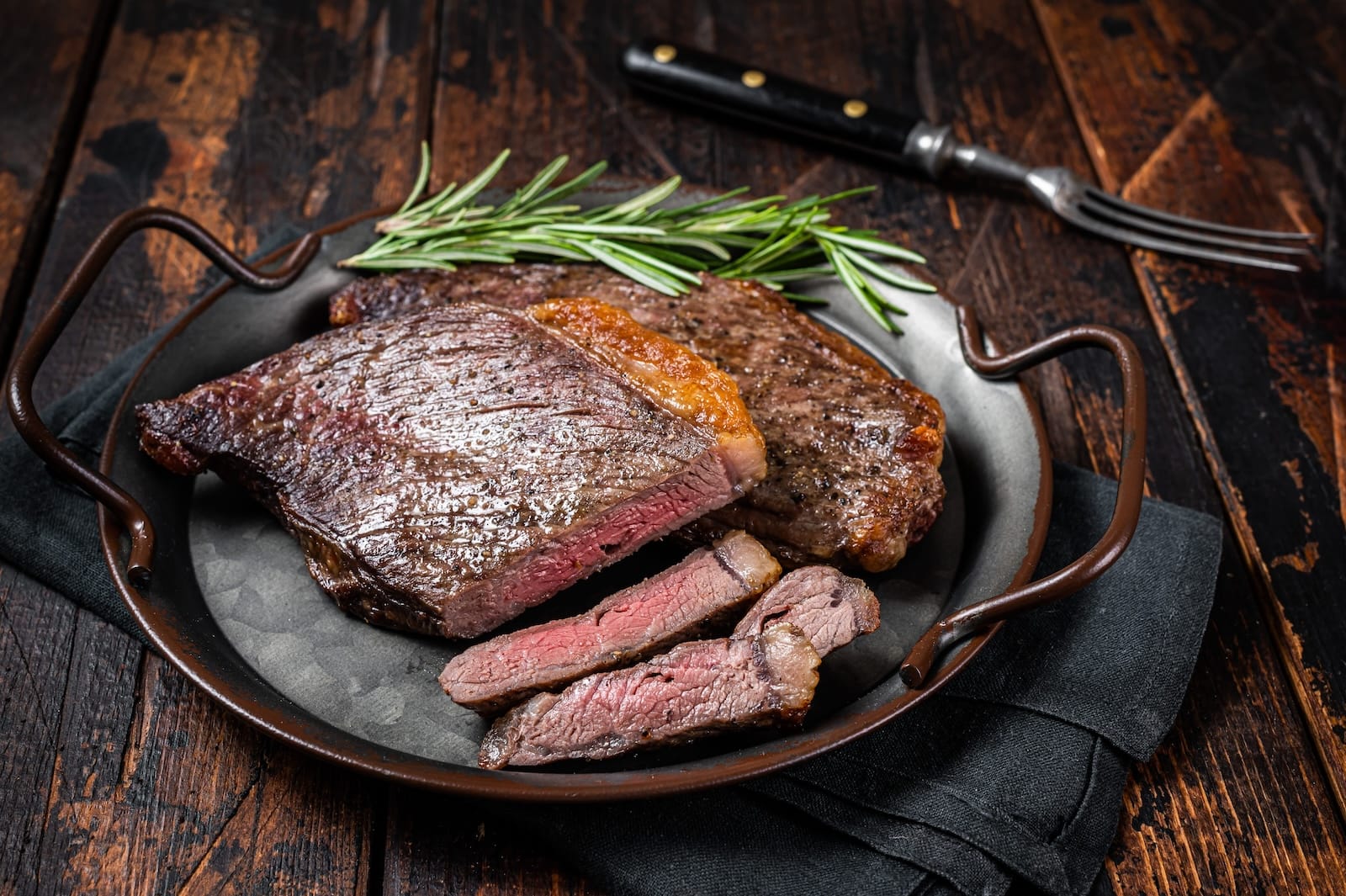
A memorable steak dinner involves much more than ordering an expensive cut of beef. The quality of the ingredients, preparation method, atmosphere, service, and supporting dishes all influence the experience.
When searching for a fine dining steakhouse NYC, guests often want a restaurant that feels sophisticated without becoming uncomfortable or overly formal. They expect carefully prepared food, knowledgeable service, comfortable seating, and an environment suitable for date nights, business dinners, birthdays, and meaningful celebrations.
A modern New York steakhouse should respect traditional steakhouse standards while offering an experience that feels relevant to today’s diners. At Andrew Steak Society NYC, dry-aged steaks, wood-fired cooking, and a warm East Village setting come together to create a polished but approachable dining experience.
What Defines a Fine Dining Steakhouse in NYC?
Fine dining does not depend on white tablecloths, complicated language, or an overly strict atmosphere. It comes from attention to detail throughout the visit.
A quality steakhouse experience should feel consistent from the moment guests arrive until the final course is served.
Several elements help define it:
- Carefully selected ingredients
- Properly aged and prepared beef
- Knowledgeable and attentive service
- Comfortable, well-designed surroundings
- Thoughtful pacing between courses
- A balanced food and beverage menu
- Consistent cooking temperatures
- Clear guidance when choosing steak cuts
Guests should feel welcomed rather than intimidated. They should be able to ask questions about cuts, preparation methods, sauces, and pairings without feeling rushed.
The best experience feels refined while still allowing guests to relax and focus on their meal and company.
Why Steak Quality Comes First
Atmosphere may attract guests, but the steak determines whether the experience meets expectations.
Premium beef should offer the right combination of flavour, tenderness, marbling, and texture. Different cuts provide different experiences, which is why choosing a steak based only on price or size may not lead to the most satisfying meal.
A restaurant should understand how sourcing, ageing, seasoning, and heat affect each cut. It should also prepare the steak according to the guest’s preferred temperature without losing its natural character.
At Andrew Steak Society NYC, selected cuts are dry-aged for at least 28 days before being cooked over a live wood-fired grill. The ageing process is intended to deepen the flavour, while the open flame creates a smoky exterior and caramelised crust.
Why Dry-Aged Steak Tastes Different
Dry ageing is a controlled process in which beef is stored under carefully managed conditions for a specific period.
During this process, moisture gradually reduces and natural enzymes help change the texture of the meat. The result can be a more concentrated flavour and a softer eating experience.
Dry-aged steak may taste:
- Richer
- More concentrated
- Slightly nutty
- More savoury
- Deeper than fresh-cut beef
Ageing alone does not guarantee a good steak. The quality of the original beef, storage conditions, trimming, seasoning, and cooking method still matter.
A skilled kitchen must understand how to manage the stronger flavour and reduced moisture of dry-aged meat. Overcooking can remove its tenderness, while inadequate searing may prevent the steak from developing a satisfying exterior.
How Wood-Fired Cooking Changes the Steak
Many traditional steakhouses use broilers or gas grills. Wood-fired cooking creates a different type of flavour.
When a steak is placed over an open wood flame, it is exposed to direct heat, smoke, and changing temperatures. This can create a deeply seared exterior while adding a subtle smoky character.
The technique requires close attention because wood fire does not behave exactly like a controlled gas flame. The cooking team must understand heat zones, timing, steak thickness, and resting periods.
At Andrew Steak Society NYC, steaks are prepared over a signature wood-fired grill. This method supports the restaurant’s approach to dry-aged beef by adding a smoky finish without covering the natural flavour of the cut.
Choosing the Right Steak Cut
A fine dining steakhouse NYC should offer enough variety to match different preferences. The right steak depends on whether the guest values tenderness, marbling, bold flavour, or a shareable presentation.
Filet Mignon
Filet Mignon is known for its tenderness and smooth texture. It generally contains less marbling than Ribeye, making it suitable for diners who prefer a leaner and more delicate steak.
It can work well with a sauce or flavoured butter that adds richness without overwhelming the cut.
New York Strip
The New York Strip provides a balance between tenderness and bold beef flavour. It has enough structure to feel substantial while remaining comfortable to eat.
It is often a reliable choice for someone visiting a steakhouse for the first time.
Ribeye
Ribeye is recognised for its marbling and fuller flavour. As the fat melts during cooking, it contributes richness and moisture.
Guests who prefer an indulgent and deeply flavoured steak may find Ribeye particularly appealing.
Porterhouse
A Porterhouse includes two distinct steak sections: tenderloin on one side and strip steak on the other.
It offers different textures within one cut and can work well as a shared centrepiece.
Tomahawk
The Tomahawk is a thick bone-in Ribeye with a long exposed rib bone. Its dramatic presentation makes it popular for birthdays, anniversaries, engagement dinners, and other celebrations.
Because of its size, couples or small groups often choose it as a shared main course.
Andrew Steak Society NYC currently lists Filet Mignon, New York Strip, Ribeye, Porterhouse, and Tomahawk among its wood-fired steak selections.
How to Order the Right Steak Temperature
Choosing the right cut is only part of the decision. The preferred temperature can significantly affect flavour and texture.
Rare
The centre remains cool and red. This preparation keeps the steak soft but may not allow all marbling to melt fully.
Medium Rare
The centre is warm and red to pink. Many steak diners prefer this temperature because it balances tenderness, moisture, and flavour.
Medium
The centre remains pink but feels firmer. This can suit guests who want less redness while retaining some moisture.
Medium Well
Only a small amount of pink remains. The steak becomes firmer and may lose some natural juiciness.
Well Done
The steak is cooked throughout with no visible pink. A skilled kitchen will still try to preserve as much moisture as possible.
Different cuts may perform better at different temperatures. A heavily marbled Ribeye may benefit from enough heat to soften its fat, while Filet Mignon may require careful cooking to prevent its lean texture from becoming dry.
Ask the service team for guidance when uncertain.
Building a Complete Steakhouse Meal
A steak may be the centrepiece, but the supporting courses help create a complete fine dining experience.
Start with a Thoughtful Appetizer
A starter should introduce the meal without becoming too filling.
Options such as seafood, steak tartare, salad, or a small grilled dish may work well before a rich main course.
Andrew Steak Society NYC’s current menu includes Jumbo Shrimp Cocktail, Jumbo Lump Crab Cake, Steak Tartare, Shrimp Scampi, and Basturma Croquettes.
Select Balanced Side Dishes
A balanced steakhouse order usually includes one vegetable and one richer side.
Possible combinations include:
- Grilled asparagus and mashed potatoes
- Sautéed broccolini and truffle fries
- Brussels sprouts and creamed spinach
Ordering several heavy sides can make it difficult to appreciate the main course. A smaller, carefully selected combination often creates a better meal.
Consider a Sauce or Enhancement
Sauces and flavoured butters allow guests to experience the steak in different ways.
Options currently listed by Andrew Steak Society NYC include Chimichurri, Au Poivre, Beurre Rouge, Café de Paris Butter, and Black Truffle Butter. Steak enhancements include Shrimp Scampi, Roasted Bone Marrow, and Butter-Poached Lobster.
A sauce should complement the steak rather than hide its flavour. Ask which choice works best with the cut you order.
Finish with Dessert
Dessert gives the meal a clear and satisfying ending.
A shared New York Cheesecake, Chocolate Lava Cake, or Crème Brûlée can extend the evening without requiring each guest to order another full course. These desserts are currently included on the restaurant’s menu.
More Than Steak: Options for Different Guests
A group may choose a steakhouse even when not everyone wants beef. A good New York steakhouse should provide alternative dishes without treating them as an afterthought.
Seafood, poultry, vegetable dishes, salads, and lighter options make the restaurant suitable for couples and groups with different preferences.
Andrew Steak Society NYC lists Maine Lobster, Chilean Sea Bass, Free-Range Chicken, Roasted Eggplant Steak, grilled lamb chops, burgers, and salads alongside its steak menu.
This variety allows one guest to enjoy a dry-aged Ribeye while another chooses seafood or a plant-focused entrée.
Fine Dining Without Feeling Overly Formal
Some diners hesitate to visit an upscale restaurant because they expect complicated etiquette or an uncomfortable atmosphere.
Modern fine dining should feel polished but approachable. Guests should receive clear guidance, attentive service, and enough time to enjoy each course. They should not feel pressured to understand every cut or pairing before arriving.
A comfortable experience includes:
- A warm welcome
- Clear menu explanations
- Respect for dietary needs
- Appropriate time between courses
- Helpful recommendations
- Service that remains present without interrupting repeatedly
Andrew Steak Society NYC describes its atmosphere as combining warmth, sophistication, and comfort. The restaurant is located at 51 Avenue B in Manhattan’s East Village.
Choosing a Steakhouse for Date Night
A steakhouse can create a strong setting for date night because the meal naturally encourages sharing and slower dining.
Couples can begin with an appetizer, discuss the available cuts, select side dishes together, and finish with a shared dessert.
For a relaxed date, individual steaks or burgers may feel appropriate. For an anniversary or milestone, a Porterhouse or Tomahawk can become the centrepiece of the table.
The atmosphere also matters. Comfortable seating, thoughtful lighting, manageable noise levels, and properly paced service allow couples to focus on their conversation.
When reserving for an anniversary, birthday, engagement, or another important occasion, mention it in advance so the restaurant understands the purpose of the visit.
Planning a Business Dinner
A fine dining steakhouse NYC can also be suitable for client dinners, team celebrations, and professional meetings.
The restaurant should provide:
- Reliable reservation management
- Comfortable seating
- A menu suitable for different preferences
- Clear service
- A professional atmosphere
- Enough time for conversation
When arranging a business dinner, review dietary needs before booking. Consider whether the group will order individual steaks or share larger cuts and sides.
Avoid over-ordering at the beginning. Start with a few appetizers, allow guests to select their preferred main courses, and add shared sides based on the table size.
Why the East Village Makes the Experience Different
New York steakhouse dining is often associated with Midtown or the Financial District, but the East Village offers a different atmosphere.
The neighbourhood feels energetic, creative, and connected to the surrounding streets. It allows guests to combine dinner with a walk, drinks, or another part of their evening without making the plan overly formal.
Andrew Steak Society NYC brings traditional steakhouse techniques into this East Village setting. Its location provides an alternative for guests who want premium steak in a neighbourhood atmosphere rather than a conventional business-district experience.
Why Consider Andrew Steak Society NYC?
Andrew Steak Society NYC offers a steakhouse experience built around premium cuts, dry ageing, and live wood-fired preparation.
Guests can select from several steak cuts, seafood, poultry, vegetable dishes, appetizers, classic sides, sauces, enhancements, and desserts. This makes the restaurant suitable for steak enthusiasts as well as groups with mixed dining preferences.
It may be worth considering for:
- Romantic dinners
- Birthday celebrations
- Anniversaries
- Business meals
- Weekend dinners
- Steak-focused evenings
- Guests exploring the East Village
- Groups with different food preferences
Rather than relying only on presentation, the restaurant focuses on the core parts of steakhouse dining: ingredient quality, ageing, fire, flavour, service, and atmosphere.
Frequently Asked Questions
What should I expect from a fine dining steakhouse NYC?
Expect premium ingredients, careful cooking, knowledgeable service, comfortable surroundings, and thoughtfully paced courses. The experience should feel polished without making guests uncomfortable.
What makes a New York steakhouse different?
A New York steakhouse traditionally focuses on premium cuts, classic side dishes, attentive service, and a dining room suitable for both professional and personal occasions. Modern restaurants may add updated cooking techniques and a more relaxed atmosphere.
What steak should a first-time guest order?
A New York Strip provides a balance of tenderness and bold flavour. Filet Mignon is suitable for guests prioritising tenderness, while Ribeye works well for those who prefer rich marbling.
What is dry-aged steak?
Dry-aged steak is beef stored under controlled conditions for a set period. This process can concentrate its flavour and change its texture.
Is Andrew Steak Society NYC suitable for date night?
Yes. Its warm East Village setting, shareable dishes, dry-aged steaks, side dishes, and desserts make it suitable for casual dates and special occasions.
Does Andrew Steak Society NYC serve non-steak dishes?
Yes. Current menu options include seafood, chicken, lamb, burgers, salads, and Roasted Eggplant Steak in addition to beef selections.
What sides should I order with steak?
One vegetable and one richer side usually create a balanced meal. Grilled asparagus with mashed potatoes or sautéed broccolini with truffle fries are examples.
Should I reserve a table in advance?
Reservations are sensible for weekends, larger groups, date nights, and special celebrations. Booking ahead can also help the restaurant prepare for specific requests.
Final Thoughts
Choosing a fine dining steakhouse NYC involves more than finding a restaurant with steak on its menu. Beef quality, ageing, cooking technique, service, atmosphere, and supporting dishes all shape the meal.
A modern New York steakhouse should preserve the craft behind premium steak while creating an experience that feels comfortable and relevant.
At Andrew Steak Society NYC, dry-aged cuts, wood-fired preparation, varied menu choices, and an inviting East Village setting come together for date nights, business dinners, celebrations, and memorable evenings. Explore the menu and reserve your table to experience modern New York steakhouse dining.